Entry · Ref 9DLC-BFG
Outdoor Tile Cleaning Tips for Safer, Brighter Patios
- Posted
- 2026-11-20
- Last amended
- 2026-11-20
- Account
- @landenjqsn722
Ballina's coastal climate is a pleasure to live in, but it is tough on outdoor tiles. Warm temperatures, high humidity, regular rainfall, salt-laden sea air and shaded corners near the Richmond River and Lake Ainsworth create ideal conditions for mould, algae, mildew and grime. Left alone, these build-ups dull the look of your patio and turn smooth tiles into a genuine slip hazard. This guide explains how to clean outdoor tiles properly, what to avoid, and when to call in a professional.
Why Outdoor Tiles Get Dirty So Quickly in Ballina
The Northern Rivers region has a subtropical climate, and that matters for tile care. Moisture lingers on surfaces that don't get direct sun, particularly under pergolas, along fence lines and beneath established trees. Organic matter such as leaves, pollen, flower petals and bird droppings feeds algae and mould. Salt from the coastal breeze settles on surfaces and attracts moisture, while fine sand and dust act like sandpaper underfoot and can leave tiles looking dull.
Green or black patches on tiles are not just cosmetic. Algae and biofilm create a slippery layer, especially after rain or morning dew. For households with children, older family members or pets, regular cleaning is an important safety measure as well as a way to keep the area looking good.
Identify Your Tile Type First
Before you pick a cleaning product, confirm what you are cleaning. Different materials react differently to chemicals and pressure.
- Porcelain tiles: Dense and low-porosity, they are highly resistant to stains and moisture. They tolerate most cleaning methods, although harsh acids can damage grout.
- Ceramic tiles: Durable, but a damaged glaze can let moisture in. Use moderate pressure and avoid abrasive tools.
- Natural stone (travertine, limestone, sandstone, slate, granite): Porous and often sensitive to acids. Never use vinegar, acidic cleaners or strong bleach on limestone, travertine or sandstone, as they can etch the surface.
- Concrete pavers and exposed aggregate: Hardy, but they absorb stains readily and may need sealing after a deep clean.
If you are unsure, test any product on a small, inconspicuous area first and wait for it to dry before assessing the result.
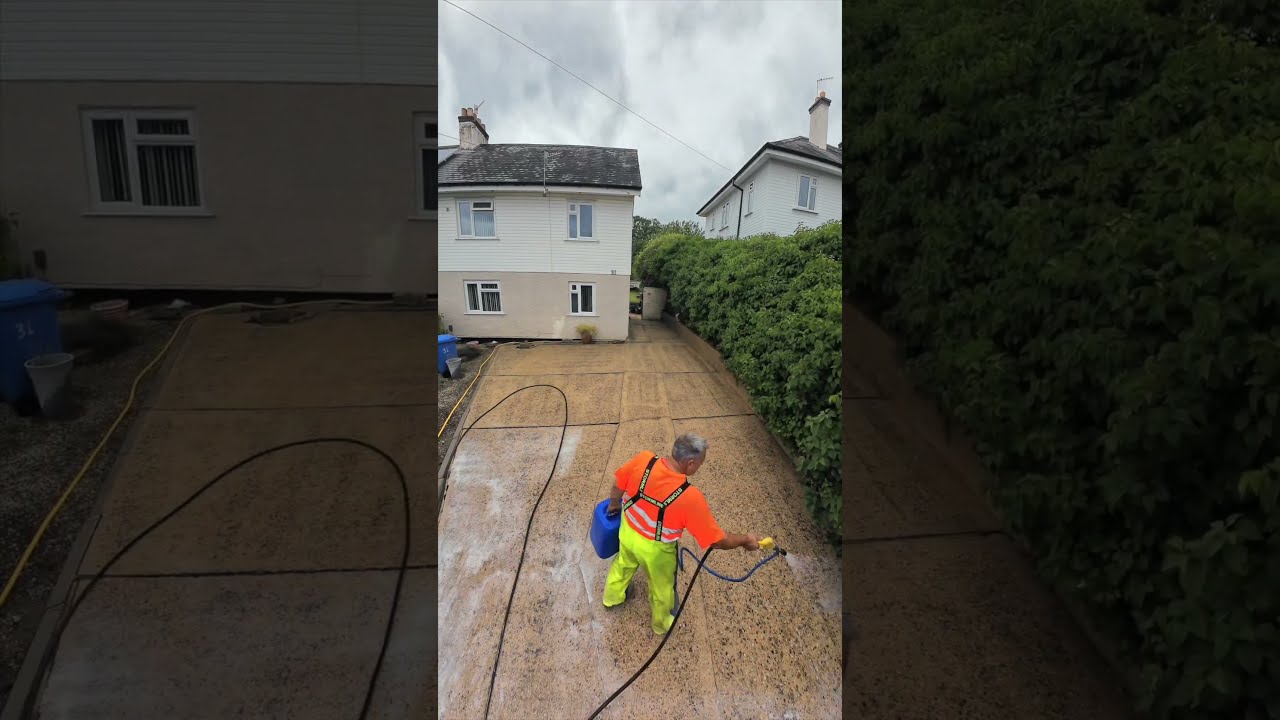
Step-by-Step: How to Clean Outdoor Tiles
1. Clear and Sweep the Area
Remove furniture, pots and mats. Sweep thoroughly with a stiff broom to lift leaves, sand and loose dirt. Skipping this step means you end up spreading grit around, which can scratch the surface when you scrub.
2. Pre-Wet the Surface and Surrounding Plants
Wet the tiles with a hose. Also rinse nearby garden beds and lawn so they are less likely to absorb any cleaning solution that runs off. This is especially important in Ballina's gardens, where lush tropical plantings often sit right next to patios.
3. Apply a Suitable Cleaner
For general grime, a pH-neutral outdoor tile cleaner mixed with warm water is a safe starting point. For mould and algae on durable tiles such as porcelain or ceramic, a purpose-made outdoor mould and mildew remover is usually more effective than household products. Always follow the label for dilution and contact time, wear gloves and eye protection, and never mix different chemical products, as some combinations release dangerous fumes.

4. Scrub the Tiles and Grout
Let the cleaner sit for the recommended time, then agitate with a stiff nylon-bristle broom or deck brush. Use a smaller grout brush on grout lines, where mould likes to hide. Avoid wire brushes, which can scratch tile surfaces and leave rust marks.

5. Rinse Thoroughly
Rinse with plenty of clean water so no residue remains. Leftover cleaner can leave a film that attracts dirt and may make the surface slippery once dry.
6. Let the Surface Dry Completely
Allow the tiles to dry fully, ideally on a dry, breezy day. This lets you see whether any stains remain and is essential before applying any sealer.
Pressure Washing: Useful, but Use With Care
High-pressure cleaning can remove stubborn build-up quickly, but too much pressure causes real damage. It can erode grout, chip tile edges, strip glazing, roughen soft stone and force water beneath tiles. If you use a pressure washer, keep the pressure moderate, use a wide fan tip, and hold the nozzle at a consistent distance from the surface. Avoid concentrating the spray on grout lines. Porous stones such as sandstone and travertine generally call for a gentler approach, such as low-pressure washing or soft washing.
Be mindful of where the wastewater goes. Ballina's waterways and stormwater drains flow towards the river, estuary and ocean, so avoid letting strongly chemical runoff enter the stormwater system. Directing water onto lawn or garden https://gunnertvvj403.huicopper.com/hot-water-vs-cold-water-pressure-cleaning-key-differences areas, using biodegradable products where possible, and following local council guidance on wastewater are sensible practices.
Tackling Common Patio Problems
Green Algae and Black Mould
These are the most common issues in shaded and damp areas. Apply a suitable mould-removal product, allow it to work, scrub and rinse. To slow regrowth, trim back overhanging vegetation to increase sunlight and airflow, and fix any drainage problems that leave water pooling.
Efflorescence (White Powdery Deposits)
This is caused by salts migrating to the surface as moisture evaporates, and it is common on concrete, pavers and natural stone. Dry-brush it away first, then use a cleaner designed for efflorescence if needed. If it keeps returning, there may be a moisture issue beneath the surface that needs attention.
Rust, Tannin and Organic Stains
Rust marks from metal furniture legs, and brown tannin stains from leaves and fallen fruit, often need targeted treatments. Use stain-specific products suited to your tile type and always test first. Moving furniture occasionally and using rubber or plastic feet can help prevent repeat rust stains.
Grease and Barbecue Stains
Soak up fresh spills immediately with absorbent material such as cat litter or paper towel. Then apply a degreaser suited to outdoor tiles, scrub and rinse. Placing a mat beneath the barbecue protects your tiles from future spills.
Improve Slip Resistance for a Safer Patio
Cleaning is the first step in keeping an outdoor area safe, as removing algae and biofilm restores much of the natural grip. If tiles remain slippery after a thorough clean, you can consider an anti-slip treatment. These products are applied to the surface to increase traction, and they come in various forms suited to different tile types. Results depend on the tile material and the product used, so it is worth seeking advice from a specialist or supplier before committing. Around pools, steps and ramps, slip resistance is particularly important, so check these areas regularly.
Sealing: Protect Your Clean Tiles
Porous surfaces such as natural stone, concrete and unglazed tiles benefit from sealing after cleaning. A quality penetrating sealer helps repel water, oil and stains, making future cleaning easier and reducing the rate at which mould takes hold. Make sure the tiles and grout are completely clean and dry before applying, and choose a sealer designed for outdoor use and your specific material. Some sealers can change the colour of the surface or leave a sheen, so test a small area first. Resealing is typically needed every few years, depending on exposure and the product used.
A Simple Maintenance Routine
Regular upkeep prevents heavy build-up and saves effort in the long run. Consider the following routine:
- Weekly: Sweep away leaves, dirt and debris, especially after windy or stormy weather.
- Monthly: Hose down the surface and spot-clean any spills, bird droppings or fruit stains promptly.
- Every three to six months: Give the tiles a general wash with a pH-neutral cleaner, paying attention to shaded areas and grout lines.
- Annually: Carry out a deeper clean, inspect grout and sealant, and reseal where needed.
Common Mistakes to Avoid
Many DIY cleaning problems come from a handful of avoidable errors. Using acid-based products on sensitive stone can cause permanent etching. Applying bleach in strong sunlight can leave streaks and harm plants. Over-aggressive pressure washing can wear away grout and tile surfaces. Skipping the rinse step leaves residue behind. And sealing tiles that are still damp can trap moisture and cause cloudiness. Taking your time and matching the method to your tile type avoids costly damage.
When to Call a Professional Tile Cleaner in Ballina
DIY cleaning is effective for routine maintenance, but some situations call for professional help. Consider engaging a local specialist if you have natural stone that needs careful treatment, large or multi-level patios, deeply embedded stains, widespread mould, loose or cracked tiles, or slip concerns around a pool or steps. Professionals have access to commercial-grade equipment, appropriate products for different surfaces and the experience to choose the right method. They can also advise on sealing, grout repair and ongoing maintenance suited to Ballina's coastal conditions. This often saves time and helps protect the long-term value of your outdoor space.
Enjoy a Cleaner, Safer Outdoor Space
A clean patio does more than look good. It reduces slip risks, extends the life of your tiles and makes your outdoor area more enjoyable for family gatherings, weekend barbecues and relaxing in the Northern Rivers sunshine. By identifying your tile type, using the right products and techniques, protecting surfaces with sealer and keeping up a regular maintenance routine, you can keep your patio bright and safe all year round. For heavily soiled, delicate or large areas, a local professional tile cleaning service can restore your patio quickly and with confidence.
Ballina Pressure Cleaning
0440 133 837